“water vapor” search results (400)

Common misunderstandings of siphon pot
Mistakes: today, as usual, after the water rises, the vaporized alcohol lamp has less fire. Unlike a gas stove, this lamp has a lag. After stirring the companion, the fire gradually decreases, waiting to judge whether the extraction is ready or not. Suddenly, the coffee fell. The brain turned all of a sudden. Why is that? Probably did not hang up the retractor, took off the upper pot, and so it was. Because the slag has entered
2014-08-09 Misunderstanding of coffee knowledge siphon pot
Introduction to the taste and flavor of Yega Xuefei coffee
Yejia Xuefei, nearly 2,000 meters above sea level, is one of the highest coffee producing areas in the world. Here has been a wetland since ancient times, Yirga means to settle down, Cheffe means wetland, Lake Turkana, Lake Abaya, Lake Chamo bring rich water vapor here. The rift valley, represented by Misty valley, is foggy all the year round, like spring all the year round, with a gentle breeze.
2016-06-15 Yega Sheffield Coffee Taste Flavor introduction altitude nearly two
Coffee vessels introduce siphon coffee maker
Siphon coffee pot, also known as Syphon. It was developed by Robert, an engineer of the Scottish Navy. Robert Napier invented it in 1840. Although the siphon coffee pot is called the siphon pot, it has nothing to do with the siphon principle. Instead, it uses water heating to produce water vapor, which causes the principle of hot expansion and cold contraction. It pushes the hot water from the lower seat to the upper pot, and produces negative after the next pot cools.
2015-01-21 Coffee utensils introductions siphons coffee pots called stoppers
The selection of coffee pots
Now the coffee pots on the market are all dripping type, and they are divided into three types: Japanese style, American style and Italian style. The Japanese coffee maker, also known as the siphon pot, has an alcohol lamp on the base and two glass balls on it. It heats the water from the lower glass ball to produce water vapor, pushes the hot water from the lower sphere to the upper pot, and then sucks back the coffee extracted from the upper glass ball after the lower pot cools. Use a Japanese coffee maker
2014-07-28 Coffee pot selection coffee utensils
The idea of blending coffee beans Espresso has the characteristics of Espresso
Espresso, a strong-tasting type of coffee, is brewed with extremely hot but non-boiling hot water under high pressure to grind it into a very fine coffee powder. It was invented and developed in Italy and began in the early 20th century, but until the mid-1940s, it was a drink made separately through vapor pressure. Meanwhile, Espresso is considered to be in coffee.
2016-06-22 Coffee beans blending ideas Espresso distinctive Espress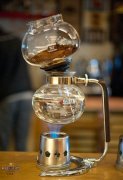
Hand coffee brewing skills siphon coffee pot brewing coffee
Siphon coffee pot, also known as Syphon. It was developed by Robert, an engineer of the Scottish Navy. Robert Napier invented it in 1840. Although the siphon coffee pot is called the siphon pot, it has nothing to do with the siphon principle. Instead, it uses water heating to produce water vapor, which causes the principle of hot expansion and cold contraction. It pushes the hot water from the lower seat to the upper pot, and produces negative after the next pot cools.
2015-01-29 Hand brewing coffee technique siphon coffee maker brewing coffee pot called plug
Three baking processes: drying, pyrolysis and cooling
Fresh coffee beans usually have about 12 percent moisture, and when the beans are roasted at high temperatures, from 500 to 800 degrees Fahrenheit, the moisture evaporates as the beans heat up. Most of the moisture is released in the first few minutes of baking, although the typical baking time in the United States is about 15 minutes. at 8
2016-04-26 three roasting process drying high temperature decomposition cooling import coffee beans usually
Jamaican Blue Mountain Coffee with sour, bitter, sweet and mellow taste introduces the boutique coffee bean Valenford Village.
Most importantly, every afternoon, clouds cover the top of the mountain, which not only shades the coffee trees naturally, but also brings abundant water vapor, which makes the taste and aroma of Blue Mountain coffee outstanding. The same coffee trees taste very different whether they are planted in Hawaii, Kenya, Papua New Guinea or anywhere else with a similar climate. And the lower mountains on the island of Jamaica
2016-07-05 Taste Jamaica Blue Mountain coffee introduction boutique coffee beans Warren Ford the most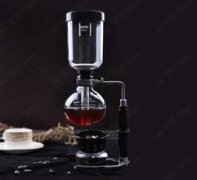
Siphon coffee maker (Syphon) is also known as plug pot.
Siphon coffee pot, also known as Syphon. It was developed by Robert, an engineer of the Scottish Navy. Robert Napier invented it in 1840. Although the siphon coffee pot is called the siphon pot, it has nothing to do with the siphon principle. Instead, it uses water heating to produce water vapor, which causes the principle of hot expansion and cold contraction. It pushes the hot water from the lower seat to the upper pot, and produces negative after the next pot cools.
2015-04-23 Siphon coffee pot Syphon called plug wind pot siphon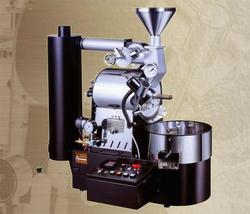
Afterburner system of coffee roaster burner gas supply system diagram of coffee roaster knowledge of coffee roaster
Post-burner system, also known as direct-fired thermal oxidizer system. Direct-fired thermal oxidizer or post-burner is the simplest kind of thermal oxidizer, which can greatly reduce VOC emissions by instantly cremating soot or carbide ions into clean water vapor at a high temperature of about 500C. This kind of thermal oxidizer does not carry any heat recovery equipment and cannot recycle the heat generated in the combustion process. Typical
2016-01-22 Coffee roaster burner system gas supply knowledge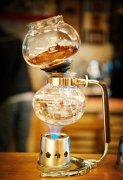
The process of making coffee in siphon pot is invented based on the principle of thermal expansion and cold contraction.
A brief introduction to the siphon Coffee Pot, also known as the plug Pot, it was developed by Scottish Navy engineer Robert Naiphir. It was invented in 1840. The siphon kettle is invented based on the principle of thermal expansion and cold contraction, which produces water vapor after heating with water during production, resulting in long heat and cold shrinkage. The hot water in the lower seat is pushed to the upper seat. After the lower pot cools, it produces negative pressure to suck back the water from the upper pot to get coffee.
2015-08-31 Siphon production coffee process utilization thermal expansion cold shrinkage principle invention siphon
Shepherd Yejia Xuefei sun characteristics taste washing flavor description of the variety introduction
Yejia Xuefei, nearly 2,000 meters above sea level, is one of the highest coffee producing areas in the world. Here has been a wetland since ancient times, Yirga means to settle down, Cheffe means wetland, Lake Turkana, Lake Abaya, Lake Chamo bring rich water vapor here. The rift valley, represented by Misty valley, is foggy all the year round, like spring all the year round, with a gentle breeze.
2016-10-20 Shepherds Yega Sheffield Solar characteristics Taste washing Flavor description treatment
Some knowledge about coffee tasting.
After proper roasting and standard extraction, the coffee looks like a drifting vapor and a dark brown liquid. But after tasting it carefully, it can be found that it has completely different characteristics. These characteristics will be affected by different producing areas, differences in planting height, types of soil, minor changes in climate, the number of Rain Water and other factors. Just like good wine.
2014-11-08 Coffee knowledge coffee knowledge coffee tasting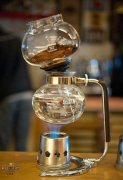
Siphon Coffee Pot (Syphon) to plug the air pot to make coffee
Siphon coffee pot, also known as Syphon. It was developed by Robert, an engineer of the Scottish Navy. Robert Napier invented it in 1840. Although the siphon coffee pot is called the siphon pot, it has nothing to do with the siphon principle. Instead, it uses water heating to produce water vapor, which causes the principle of hot expansion and cold contraction. It pushes the hot water from the lower seat to the upper pot, and produces negative after the next pot cools.
2015-10-19 Siphon coffee maker Syphon stopper coffee step siphon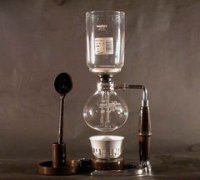
Coffee fundamentals Coffee making method
The traditional method of siphon brewing uses the principle of vapor pressure (a method invented by a marine engineer, probably inspired by a steam engine), so that the heated water flows upward from the lower beaker through the siphon and filter cloth, and then mixed with the coffee powder in the upper cup, and the ingredients in the coffee powder are completely quenched out, and the quenched coffee liquid is removed after the fire source is removed.
2014-09-19 Coffee knowledge coffee basics coffee making
Six steps to taste coffee
After proper roasting and standard extraction, the coffee looks the same-drifting vapor and dark brown liquid. But after tasting it carefully, it can be found that it has completely different characteristics. These characteristics will be affected by different producing areas, differences in planting height, types of soil, minor changes in climate, the number of Rain Water and other factors. Just like good wine.
2014-08-11 Coffee knowledge coffee tasting tasting steps coffee encyclopedia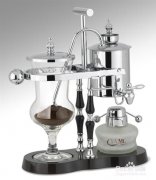
The operation method of siphon coffee pot introduces the technology of brewing coffee in air stopper.
Siphon coffee pot, also known as Syphon. It was developed by Robert, an engineer of the Scottish Navy. Robert Napier invented it in 1840. Although the siphon coffee pot is called the siphon pot, it has nothing to do with the siphon principle. Instead, it uses water heating to produce water vapor, which causes the principle of hot expansion and cold contraction. It pushes the hot water from the lower seat to the upper pot, and produces negative after the next pot cools.
2015-11-07 Siphon coffee maker operation method introduction stopper coffee technology siphon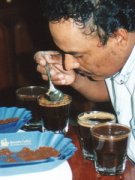
Evaluation of Cup Testing Coffee Taste in High-quality Coffee Cups
The essence of fine coffee Specialty Coffee is in the cup test (Cup Testing or Cupping), that is, the evaluation of coffee taste, and the cup test (Cupping) is a very important step. Cup test props: coffee cup test 10 steps: 1. Prepare a little (about 10 grams) freshly roasted and immediately ground coffee in a small cup. two。 Smell it and see its dry fragrance. 3. Pour in about 95 degrees heat.
2015-09-16 Boutique coffee cup Cup Testing coffee taste evaluation boutique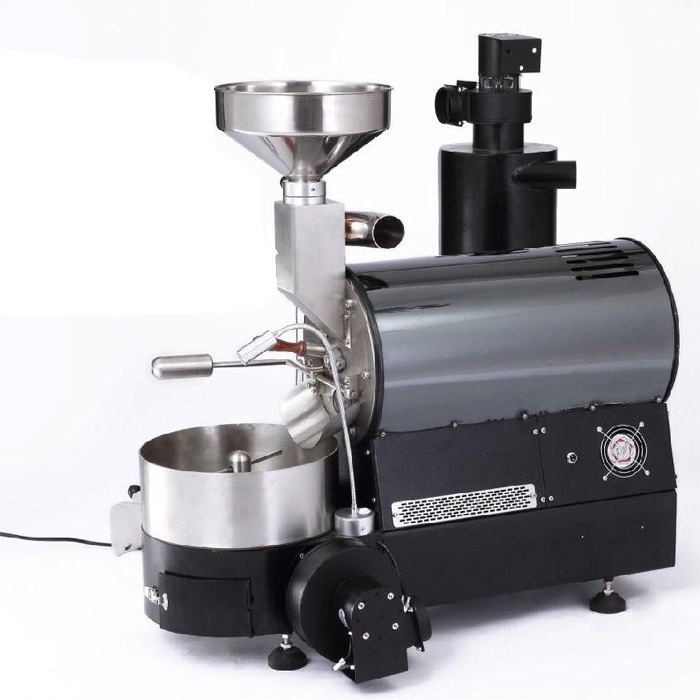
The afterburner system of the coffee roaster to understand the configuration of the structural parts of the coffee roaster
Post-burner system, also known as direct-fired thermal oxidizer system. Direct-fired thermal oxidizer or post-burner is the simplest kind of thermal oxidizer, which can greatly reduce VOC emissions by instantly cremating soot or carbide ions into clean water vapor at a high temperature of about 500C. This kind of thermal oxidizer does not carry any heat recovery equipment and cannot recycle the heat generated in the combustion process. Typical
2016-01-08 Coffee roaster burner system understanding structure parts configuration knowledge combustion
Coffee brewing skills and secrets of siphon pot brewing coffee
(1) the siphon pot brewing method, also known as the siphon kettle, which uses the physical siphon principle to heat the vapor pressure to drive the hot water to rise and filter the coffee, and the aroma is overflowing. Looking at the rising boiling liquid in the glass tube sometimes gives people the illusion of being in the laboratory! So many people always like to sit at the bar of the cafe in order to enjoy the water in the glass kettle.
2014-11-07 Coffee knowledge coffee technology coffee brewing siphon pot